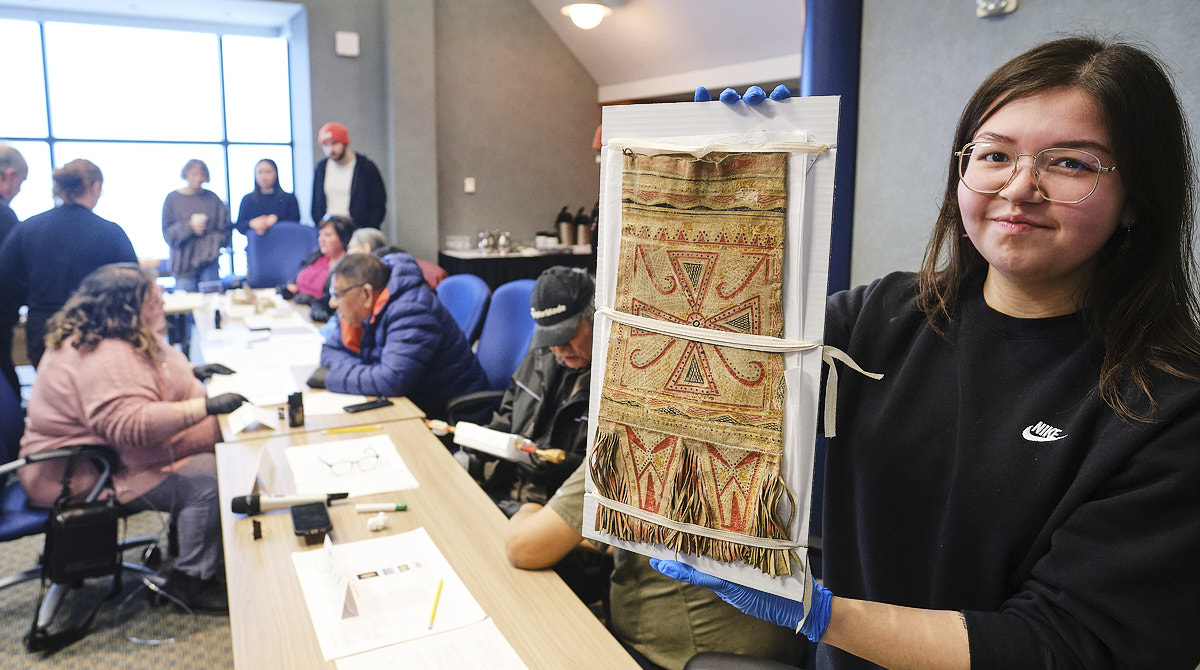
NORTH WEST RIVER, NL – Innu Pakassiun, a travelling exhibit of Innu culture and history developed by Innu Nation, The Rooms and Canadian Museum of History was expected to open at the Labrador Interpretation Centre in North West River, Labrador in June 21 2026. National Indigenous Peoples Day in Canada. On June 16 the government of the Newfoundland and Labrador told the Innu they could not use their building unless Innu removed content that doesn’t reflect official government opinion of the Innu history timeline in Labrador which is the Innu did not exist in Labrador before 300 years ago.
The Innu Nation, refused to change their presentations to reflect the government dictated policy saying this is an attempt to erase and deny Innu history.
“This position amounts to an erasure of Innu history,” said Grand Chief Simon Pokue. “It is contrary to the accepted historical and archaeological record and dismisses the knowledge, history, and lived experience of our people.” “It is simply wrong of the province to use a cultural exhibit, on Indigenous People’s Day no less, to try to rewrite the accepted history of the Labrador Innu.”
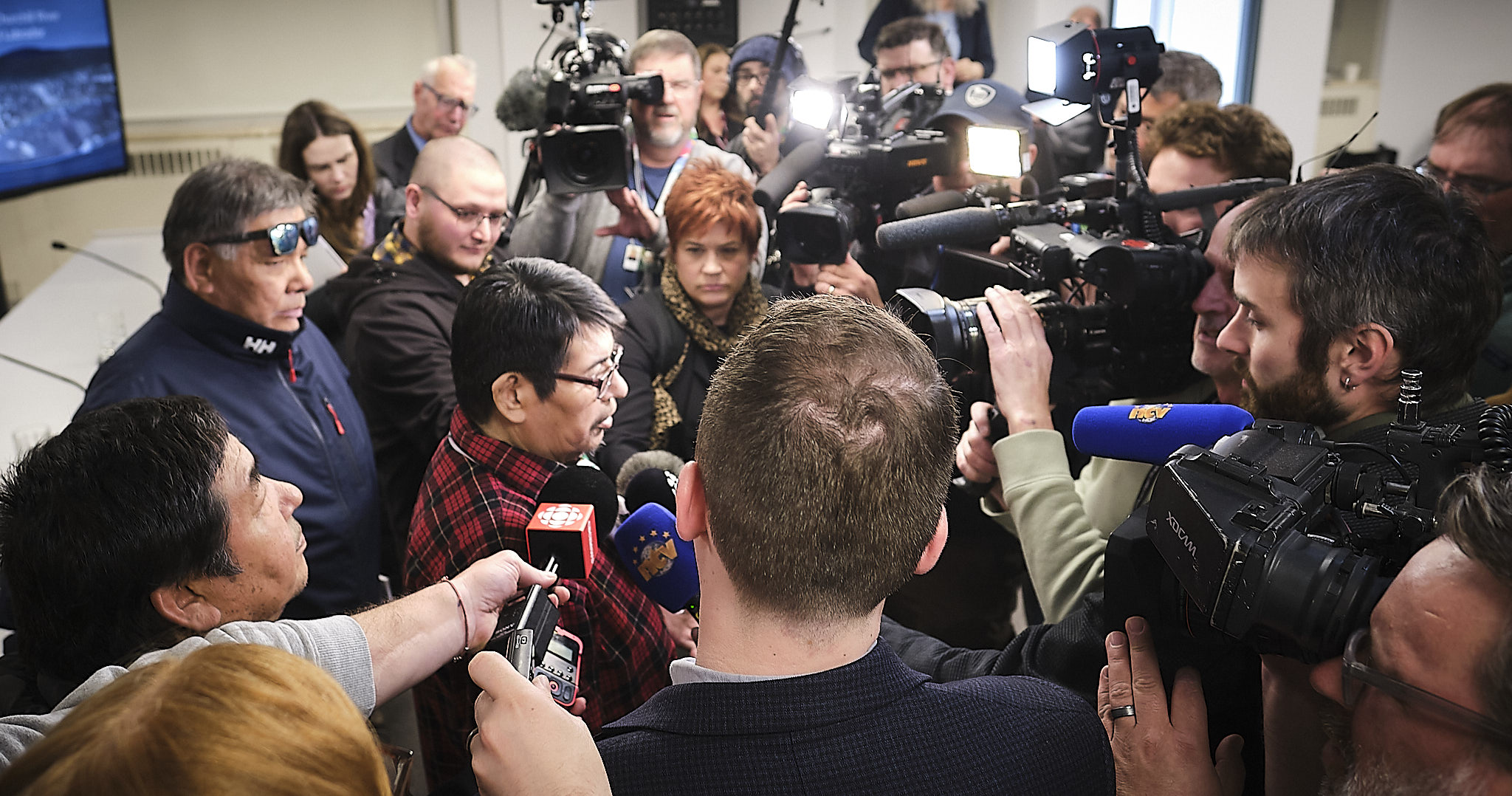
The Innu Pakassiun exhibit has been two years in the making. Through The Rooms, a crown corporation, which helped organized the exhibit, the government knew the content for many months but did not object until days before the opening. In January 2026 week long consulttions took place at The Rooms to finalizes the objects that would be displayed and the language surrounding the exhibit.
The only thing that has changed is that since the last consultations a new Conservative government was elected and new CEO of The Rooms appointed.
SOURCE OF CONFLICT
A staff archaeologist for the Government of Newfoundland and Labrador has long stated that the Innu did not exist in Labrador before 300 years ago. He bases this on separating groups of indigenous people by tools they used over thousands of years. Based on this he claims all previous indigenous people were not Innu. This is the official government policy.
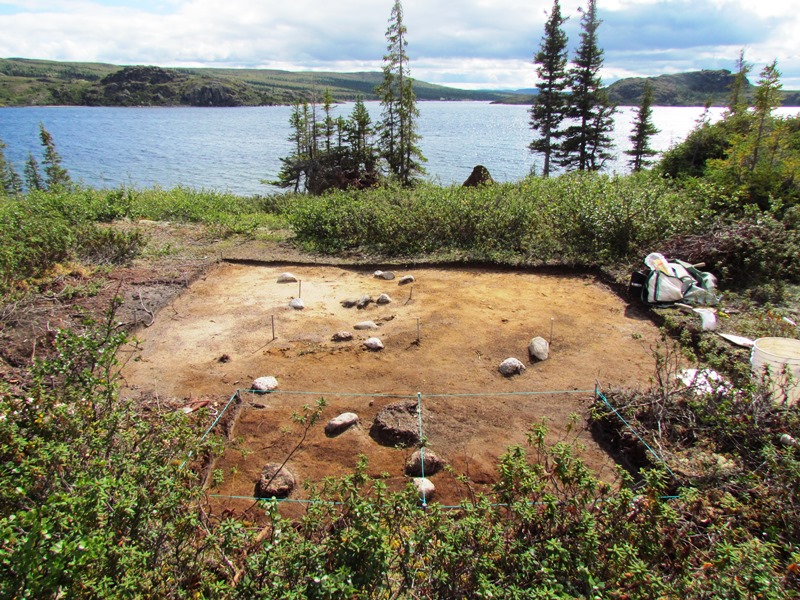 This opinion has been discredited by respected archaeologists such as Tony Jenkinson and anthropologists from Memorial University of Newfoundland, (Adrian Tanner, Peter Armitage) the Smithsonian Institute (Stephen Loring) and Canadian Museum of History along with other journalists and researchers.
Supporting Innu oral history archaeology sites and anthropological studies show indigenous people lived in Labrador for 6000-7000 years. Consistent with the human migrations and the populating of North America pre-European contact.
Former Grand Chief of Innu Nation, Danial Ashini said in an interview in 2000, “they have given our ancestors different names like Maritime Archaic Indians, Intermediate Period Indians and Point Revenge Indians. These archaeologists only identify a clear tie between the last group and the Innu, as if we were all different and distinct peoples.”
ABOUT THE EXHIBIT
Innu Pakassiun showcases the continuity of Innu culture over millennia. The range of historic objects will include thousands of years old stone tools, to ceremonial, painted caribou skins from the 1700s, to items of Innu daily life such as clothes, tools, crafts, and children’s toys collected between the 1920’s to the 1960’s – the moment of transition for Innu, from nomadic to permanent settlement in the communities of Davis Inlet, and North West River. The Innu were the last nomadic hunters in North America.
“There will also be contemporary items to show the connection and continuity of Innu culture through to today. Because our culture is not dead and gone” says Jodie Ashini, Cultural Guardian with Innu Nation.
“We are very happy to do this not just for Innu but for everyone, to bring a better sense of Innu history and culture. A better understanding of who we are.” said Ashini. And, the exhibit is being developed principally in Innu-Aimun, the Innu language.
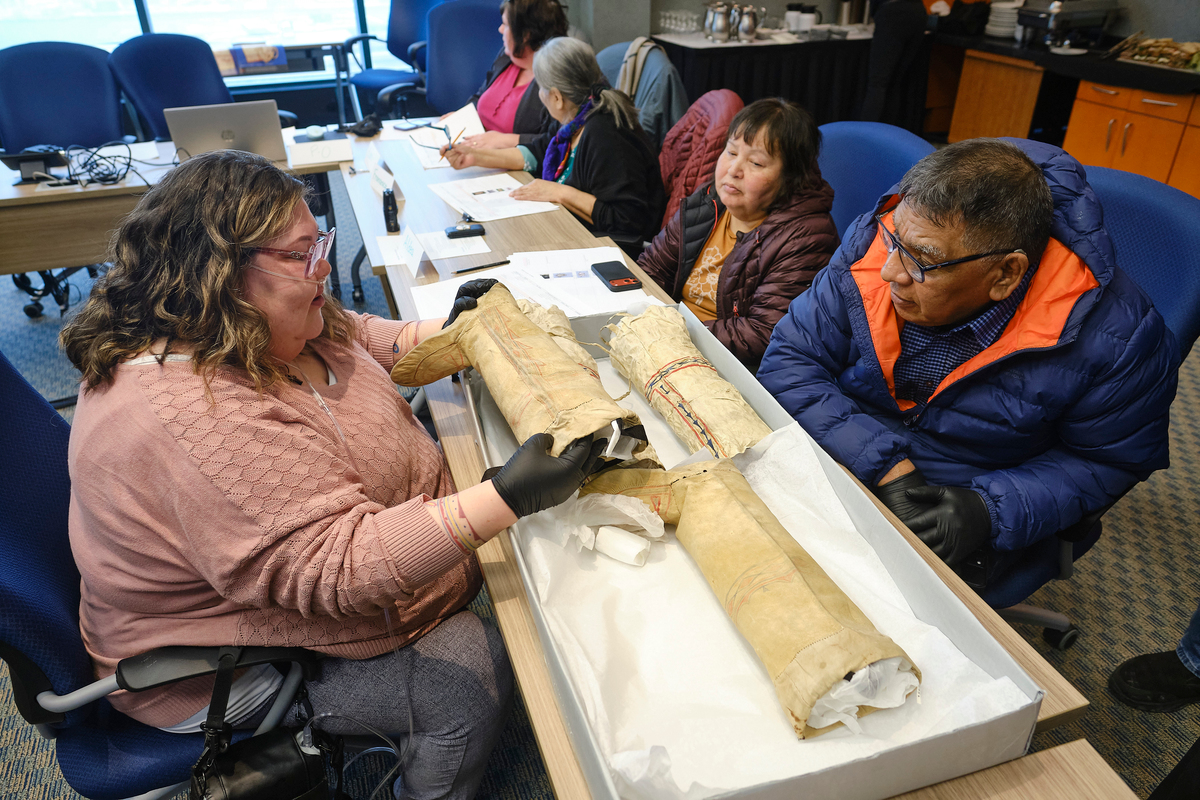
Most Innu artifacts are currently held in museum collections far from Nitassinan, the traditional Innu territory in Labrador, where they were collected. While Ashini has visited the The Rooms in St John’s and Canadian Museum of History in Gatineau, Quebec, few Innu are given that opportunity. Many more are inaccessible, sitting even further away in museums in Boston, New York, Pennsylvania, and Chicago or across the Atlantic, in the UK, France, and Germany. Seventy items have been selected from The Canadian Museum of History and another thirty from The Rooms for the exhibition.
WORKSHOPS AND CONSULTATION
The week of January 26th a three day workshop took place at The Rooms in St John’s that brought together exhibition organizers, designers, archivists, conservators and Innu elders to view the artifacts and discuss how they should be displayed and the language around the exhibition.
“While these objects left the Innu over the years, repatriation is now underway. I’m hopeful one day my daughters’ won’t need to travel the world to see their history, it will be at home where it belongs”, said Jonathan Feldgajer, a project facilitator with Innu Nation.
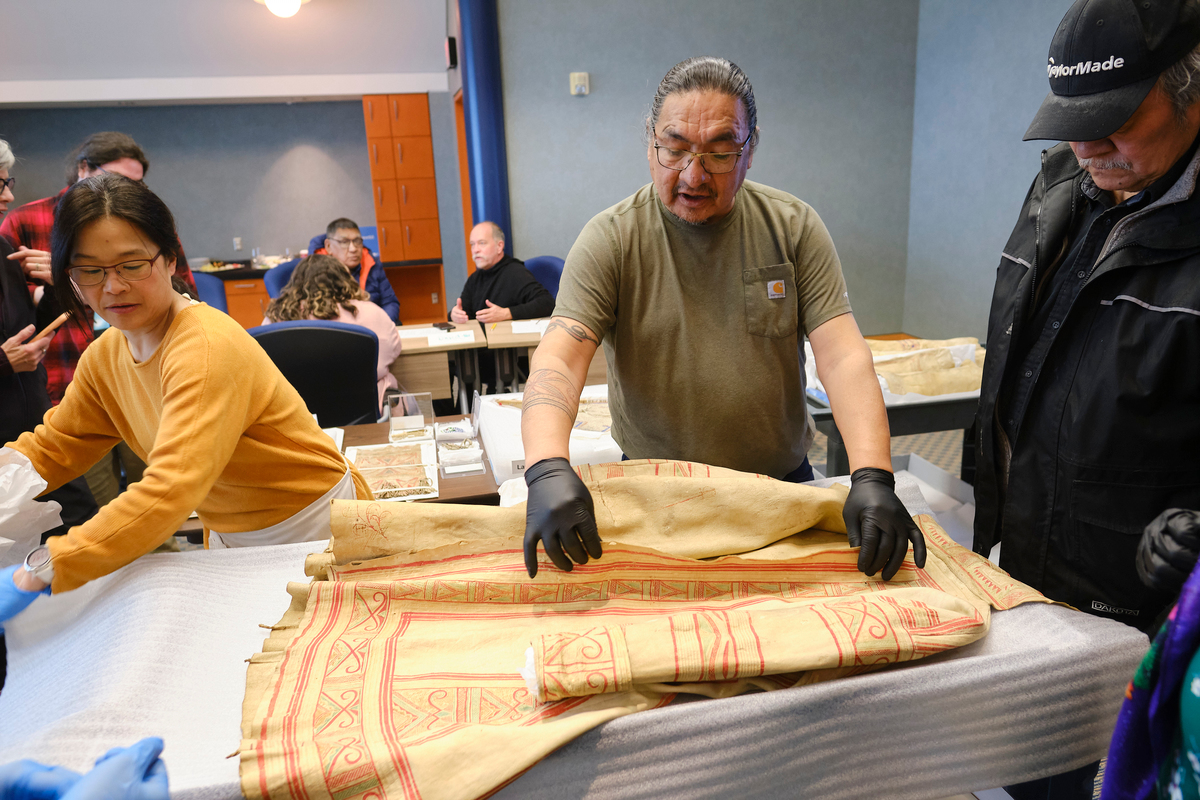
Jack Penashue of Sheshatshiu and Superintendent with Innu Parks, was one of the elders attending. “It is an interesting time for the Innu. The concept of trying to display our culture is new to Innu.
We are not sure how or what to share. We do not want it to seem like we are a dead culture. It’s important to display that Innu exist and this is still our culture today” said Penashue during workshop discussion. “This is a learning experience for us also but Innu are excited because it will open new doors.”
“It is the first time the Innu have been involved in how their cultural and historic objects have been presented”, said Penashue.
SHARE WITH THE WHOLE WORLD
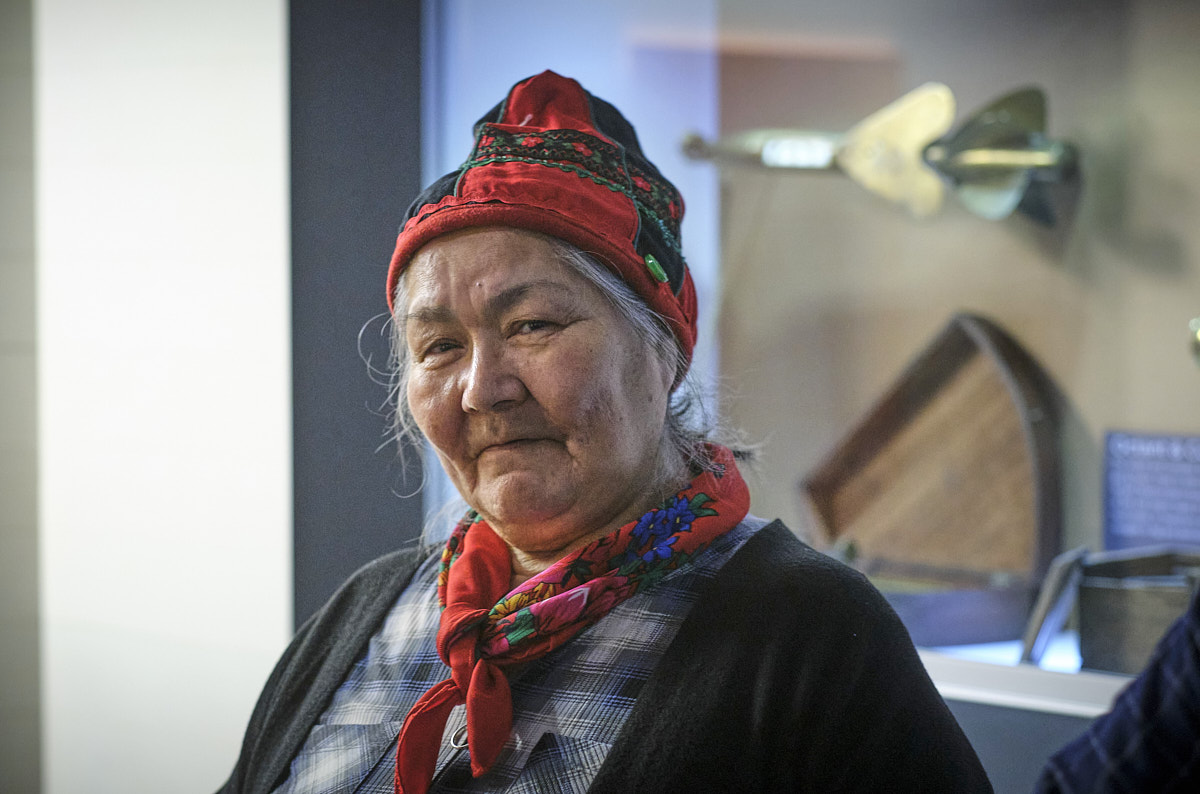
Innu elder Francesca Snow, who still makes caribou hide coats, attended the workshops and says she is proud of this project.
“People don’t know we exist. We need to share our culture” said Snow. “As an Elder this is how I want people to know about Innu.” “I want to share with the whole world.”
“Experience is what makes culture. Culture comes from within. It is not something you learn from books” said Innu elder “Apatet” Penute Andrew, who suggested the name for the exhibit – Innu Pakassiun.
Also see
Innu Nation launches campaign aimed at MUN Indigenous verification policy
~~~
SQUAWK! Please feed the Gammy Bird
If you like the The Gammy Bird please consider a donation to keep the the squawks, stories, pictures and videos flying. We use PayPay for one-time or reoccurring fast secure payment. We also accept etransfer to office@straylight.ca